
High-voltage Insulated Safety Shoes
Which safety shoe protects against 10,000 volts in Zimbabwe? Guyisa insulated safety shoes. Engineered for electricians, power utility workers, and anyone working near live electrical equipment. With a sole rated to 10KV that provides a critical barrier between the wearer and potentially lethal current.
 SALE 13% off
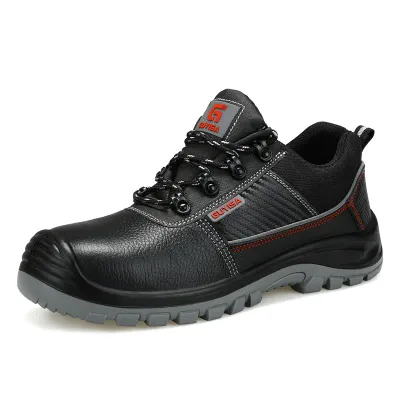
 Insulation
AI3003
Oil on the floor. Static in the air. Live voltage in the equipment. This boot addresses all three — 10KV electrical insulation, anti-static construction that prevents static buildup from becoming a spark, and an oil-resistant sole that grips on slick surfaces. Non-conductive plastic toe cap, Kevlar midsole against sharp debris underfoot. Every hazard the electrical environment throws — handled.
$40.00
$35.00
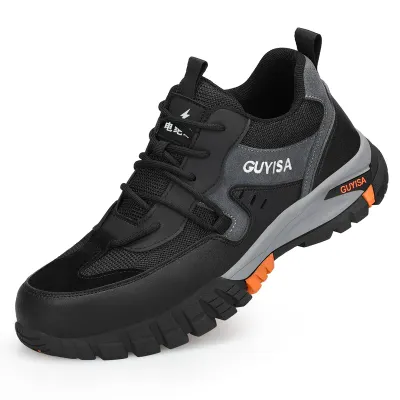
Insulation
AI9011
The floor around live equipment is full of sharp debris. The voltage above it demands non-conductive everything. This boot handles both — 10KV electrical insulation, a non-conductive plastic toe cap keeps every part of the shoe out of the circuit, Kevlar anti-puncture midsole. No swollen feet at the end of a long shift. No compromises on protection during it.
$50.00
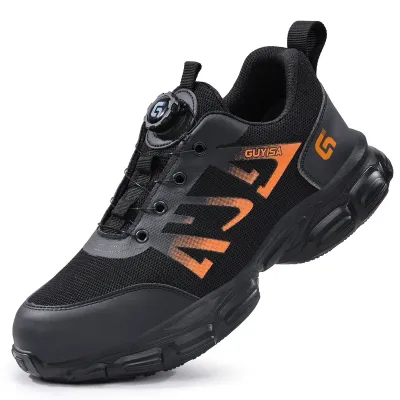
Insulation
AI7113
Electricians can't afford guesswork in their PPE. 10KV certified insulation rated for live environment work, a non-conductive plastic toe cap keeps every part of the shoe out of the circuit, and a Kevlar midsole that protects against sharp objects without the weight or rigidity of a steel plate. The boot that keeps you protected and comfortable — so focus stays on the job, not the footwear.
$40.00
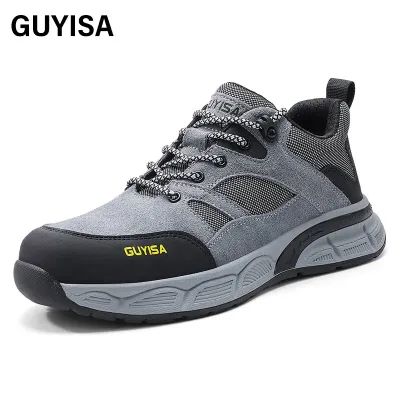
Insulation
AI9113
The floor around live equipment is full of sharp debris. The voltage above it demands non-conductive everything. This boot handles both — 10KV electrical insulation, a non-conductive plastic toe cap keeps every part of the shoe out of the circuit, Kevlar anti-puncture midsole. No swollen feet at the end of a long shift. No compromises on protection during it.
$50.00
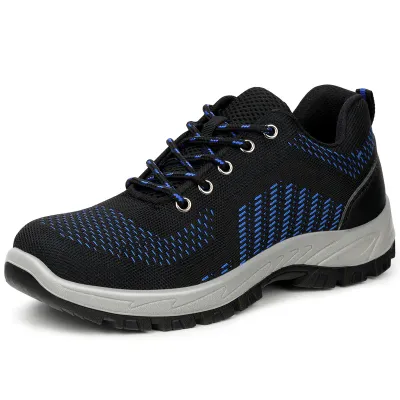 SALE 14% off
 Insulation
AI3519
Electricians can't afford guesswork in their PPE. 5KV certified insulation rated for live environment work, a non-conductive plastic toe cap keeps every part of the shoe out of the circuit, and a Kevlar midsole that protects against sharp objects without the weight or rigidity of a steel plate. The boot that keeps you protected, alive and comfortable — so focus stays on the job, not the footwear.
$35.00
$30.00
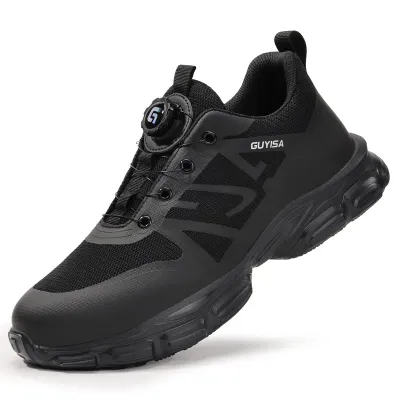
Insulation
AI7113BK
Live equipment demands footwear that takes the hazard as seriously as you do. 10KV certified insulation, a non-conductive plastic toe cap keeps every part of the shoe out of the circuit, Kevlar anti-puncture midsole for sharp debris on the floor. Lightweight enough to wear through a full shift without the foot fatigue that makes tired workers careless.
$40.00
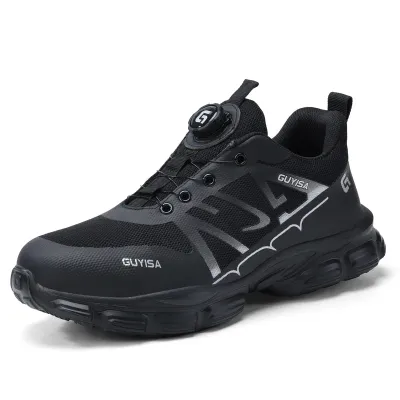
Insulation
AI7113GY
Live equipment demands footwear that takes the hazard as seriously as you do. 10KV certified insulation, a non-conductive plastic toe cap keeps every part of the shoe out of the circuit, Kevlar anti-puncture midsole for sharp debris on the floor. Lightweight enough to wear through a full shift without the foot fatigue that makes tired workers careless.
$40.00
Frequently Asked Questions
Are these real images or internet pictures?
As Zimbabwe's exclusively authorised Guyisa agent, product images on our website are official photography produced by the Guyisa media team — the actual product, lit and shot properly. Each model has 5 images on the website and 10 on our WhatsApp catalog. Open any product and swipe left to browse every angle.
What does "10KV insulation" mean on a safety shoe?
A 10KV insulation rating means the footwear has been tested and certified to safely isolate the wearer from electrical currents up to 10,000 volts (10 kilovolts). It prevents the wearer's body from acting as an electrical path to the ground during accidental exposure.
Are insulated safety shoes required by law for electrical workers in Zimbabwe?
Zimbabwe's Factories and Works Act and ZESA procurement standards require appropriate PPE for electrical workers. 10KV insulated footwear is the recognised standard for anyone working on or near live electrical systems.
Do insulated boots need to be replaced regularly?
Yes. Electrical insulation degrades with wear, chemical exposure, and physical damage. Guyisa recommends inspecting insulated boots regularly for cuts or damage to the sole, and replacing them every 12–18 months in active electrical environments.