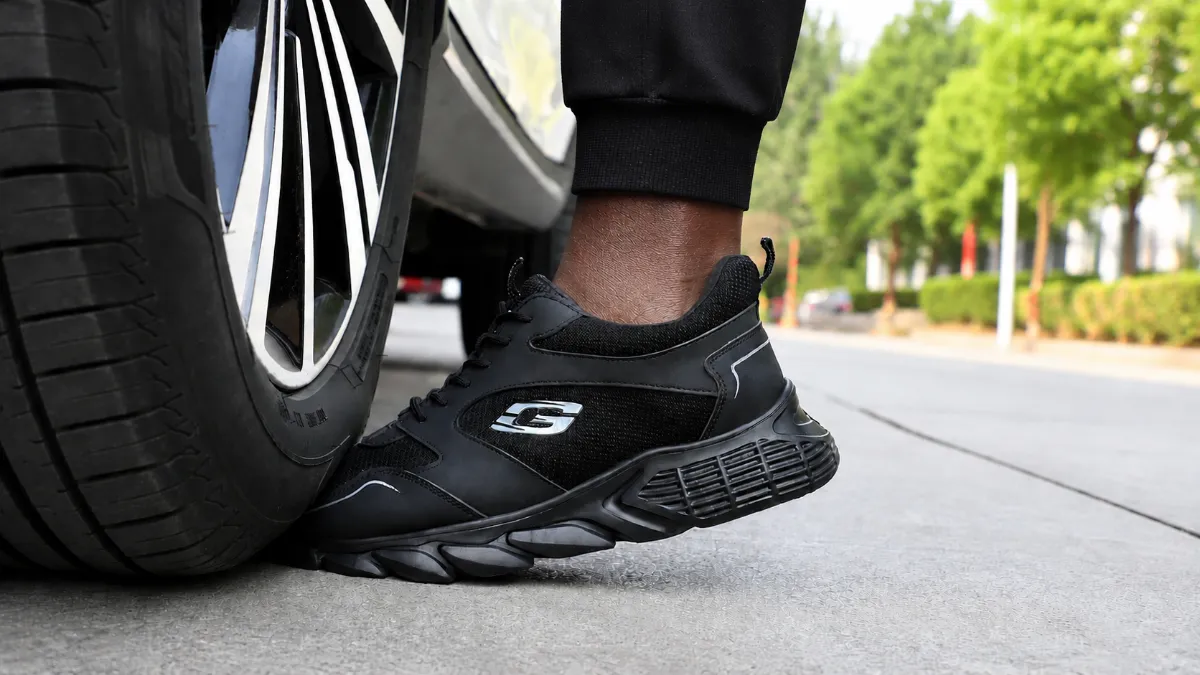
Sizing, US Conversion & How to Measure Your Foot
At Armor Sole, Zimbabwe’s exclusive Guyisa safety footwear agent, one question comes up more than any other: “What size should I order?” Whether you’re buying safety shoes, sneakers, running shoes, formal shoes, or sports shoes — getting the size wrong is more than uncomfortable. A shoe that’s too tight restricts blood flow on long shifts or long runs. Too loose and your foot slides, throws off your balance, and causes fatigue. Neither is acceptable.
This guide covers how to measure your foot at home, how to read your size and convert it to US, and why — for safety shoes especially — we always recommend sizing up by one.
How to Measure Your Foot at Home
All you need is a piece of paper, a pen, and a ruler.
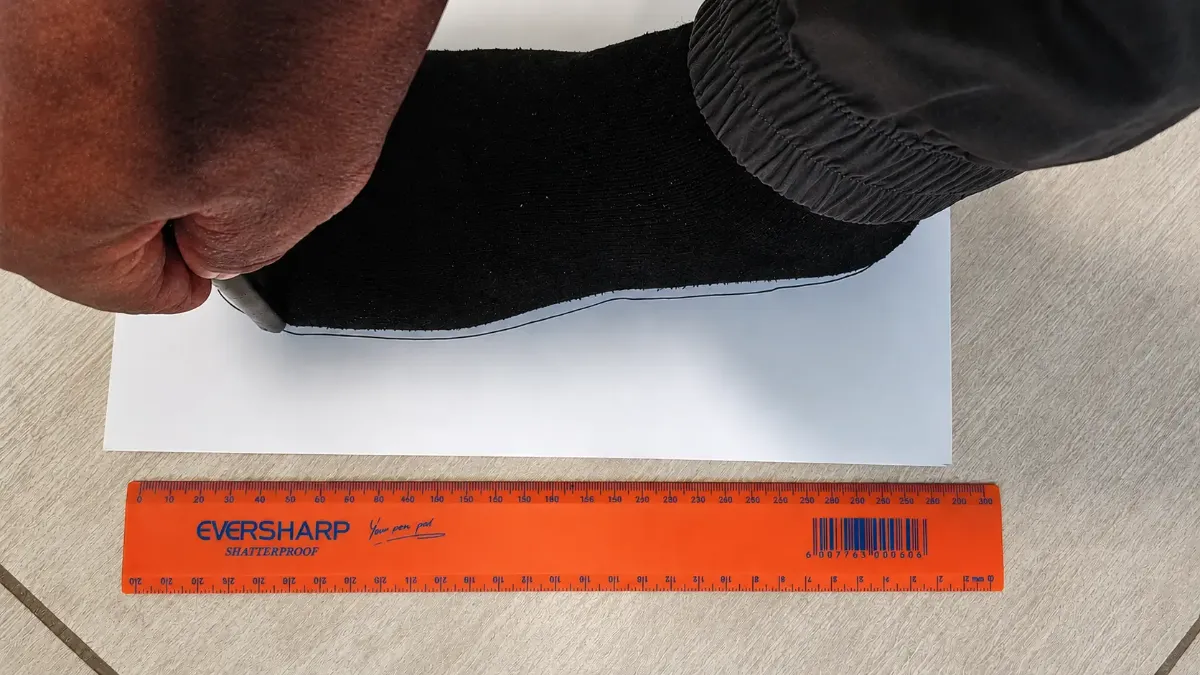
- Place your foot flat on a piece of paper — socks on, standing upright with your full weight on it
- Trace around your foot with a pen held straight up, not angled
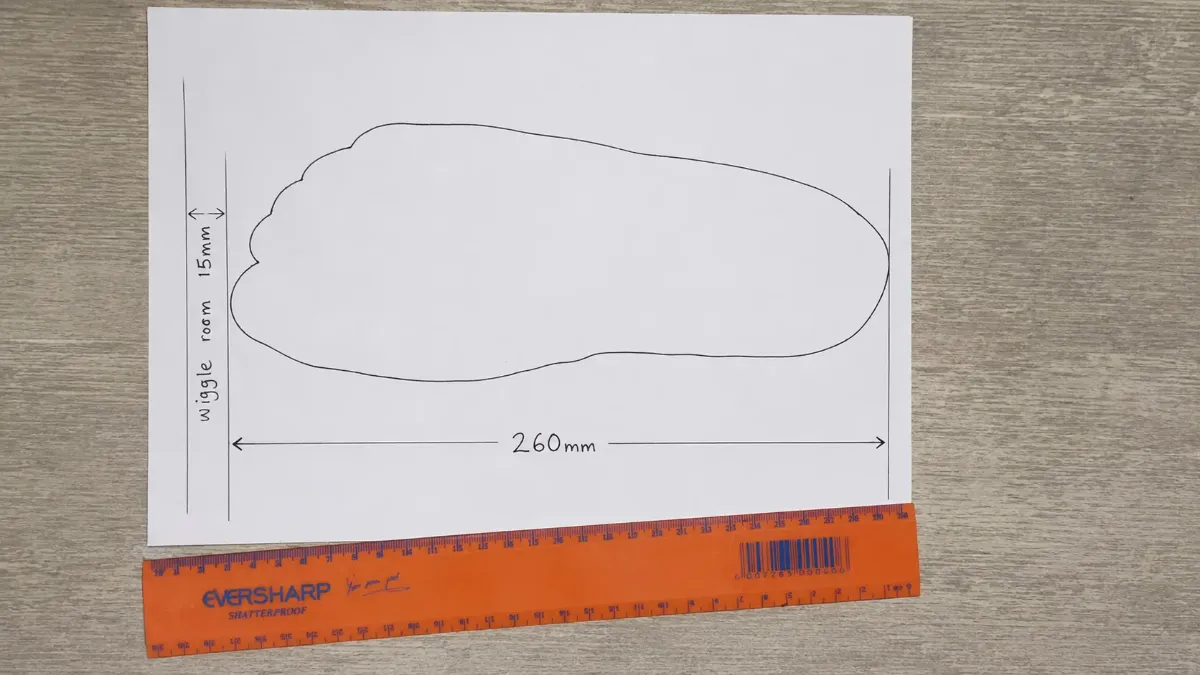
- Measure the longest distance from heel to the tip of your longest toe
- That measurement in millimetres is your foot length — use the table below to find your size
Always measure both feet. Most people have one foot slightly larger than the other. Always fit to the larger foot.
Measure at the end of the day. Feet swell through the day. A shoe that fits in the morning may feel tight by 3pm.
Size to US Conversion Chart (with Foot Length)
Our shoes use international (CN) sizing — the number on the shoe. Foot length is the most accurate guide; match your measurement to the row, then use the size shown. This chart applies to all shoe types — safety shoes, sneakers, running shoes, formal shoes, and sports shoes.
| Size (CN) | Foot Length (mm) | Foot Length (cm) | US Size |
|---|---|---|---|
| 35 | 225 | 22.5 | 4.5 |
| 36 | 230 | 23.0 | 5 |
| 37 | 235 | 23.5 | 5.5 |
| 38 | 240 | 24.0 | 6 |
| 39 | 245 | 24.5 | 6.5 |
| 40 | 250 | 25.0 | 7.5 |
| 41 | 255 | 25.5 | 8 |
| 42 | 260 | 26.0 | 8.5 |
| 43 | 265 | 26.5 | 9 |
| 44 | 270 | 27.0 | 9.5 |
| 45 | 275 | 27.5 | 10.5 |
| 46 | 280 | 28.0 | 11 |
| 47 | 285 | 28.5 | 11.5 |
| 48 | 290 | 29.0 | 12 |
Why We Always Recommend Sizing Up by One for Safety Shoes
This is Armor Sole’s standing recommendation — and it comes from experience, not guesswork.
Safety shoes are built differently from casual or running shoes. The steel toe cap, reinforced midsole, and thicker insole all take up space inside the shoe. A Guyisa shoe marked size 42 will feel noticeably tighter than a casual shoe in the same size.
Add thick work socks, foot swelling on long shifts, and the fact that most people slightly underestimate their foot length — and the case for sizing up is clear.
Our rule: if your measurement puts you at size 42, order size 43. The only exception is a particularly narrow foot — in that case, try your measured size first.
Safety Shoe Fit Checklist
- Enough room at the toe — put the shoe on and slide your foot forward until your toes touch the front of the cap, then check the gap at the heel with your finger. You should have roughly a finger’s width of space at the heel. That confirms the toe has enough room inside.
- Heel stays in place — no slipping when you walk
- Widest part of your foot aligns with the widest part of the shoe
- No pinching on the sides, especially near the small toe
- Laced up, not squeezed — if you have to overtighten laces to feel secure, the shoe is too wide
Unsure? WhatsApp Us
We know every Guyisa model in our range — the fit, the toe box width, the insole depth. If you’re between sizes or ordering for a team, WhatsApp us and we’ll get it right before you order.
Browse the full Guyisa range — from high-top steel toe boots to lightweight sports safety shoes, delivered anywhere in Zimbabwe.